
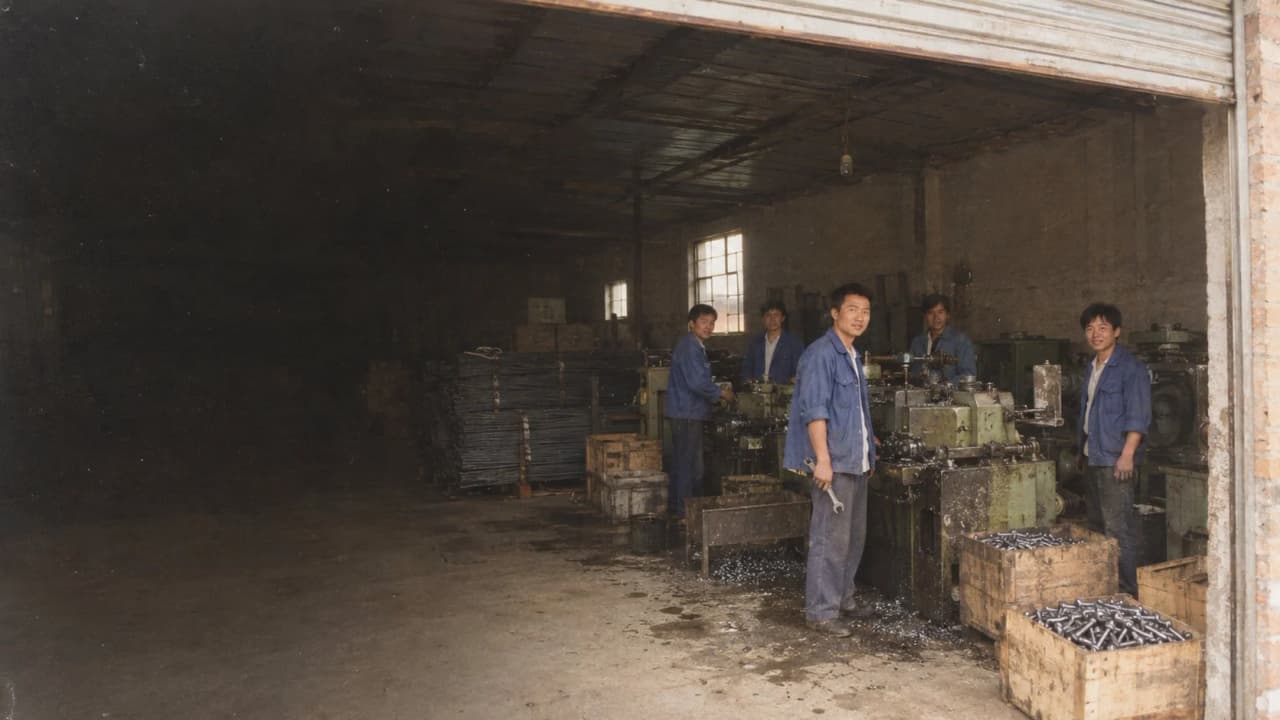
Since · 1996
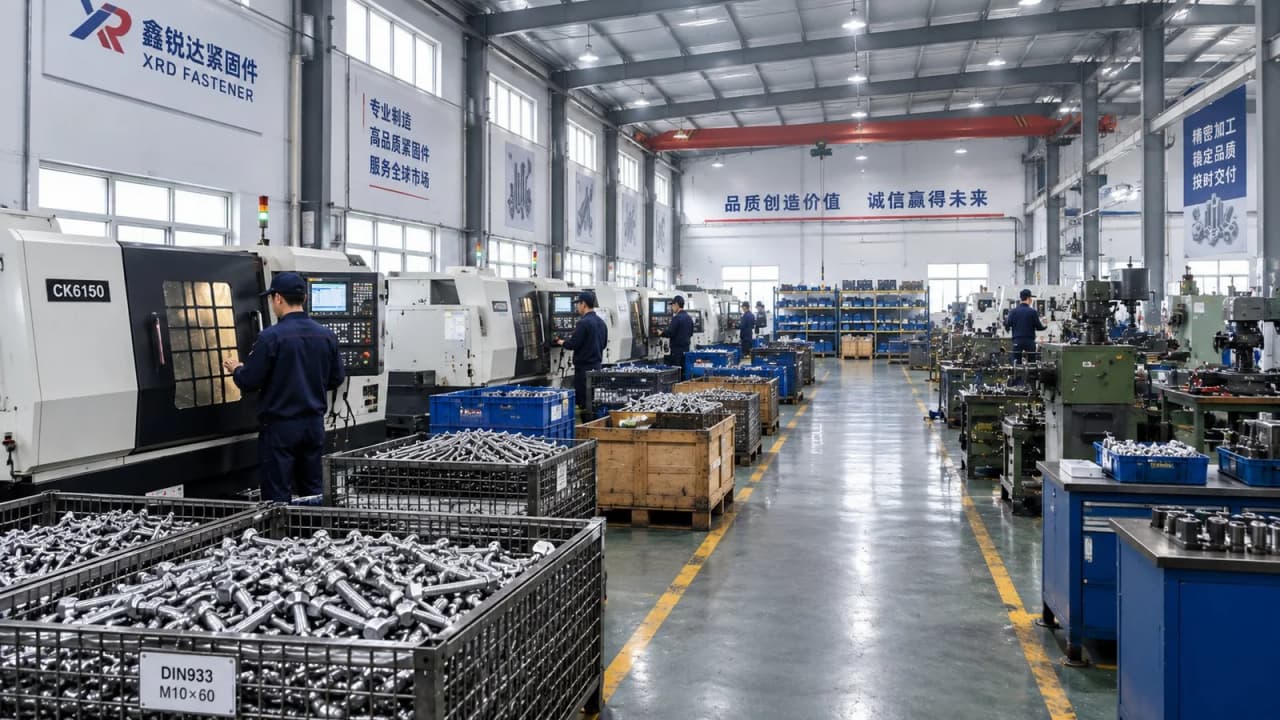
In-house wire drawing, cold heading, thread rolling, heat treatment and testing
ApplicationsIndustries Served
Where our bolts and nuts are used: steel structures, wind energy, petrochemical plants, automotive, marine and offshore, food processing machinery and more.


NEWSTechnical Blog
- 2026-10-24Hydrogen Embrittlement: Why Electroplated High-Strength Bolts Must Not Be Tightened Straight Away
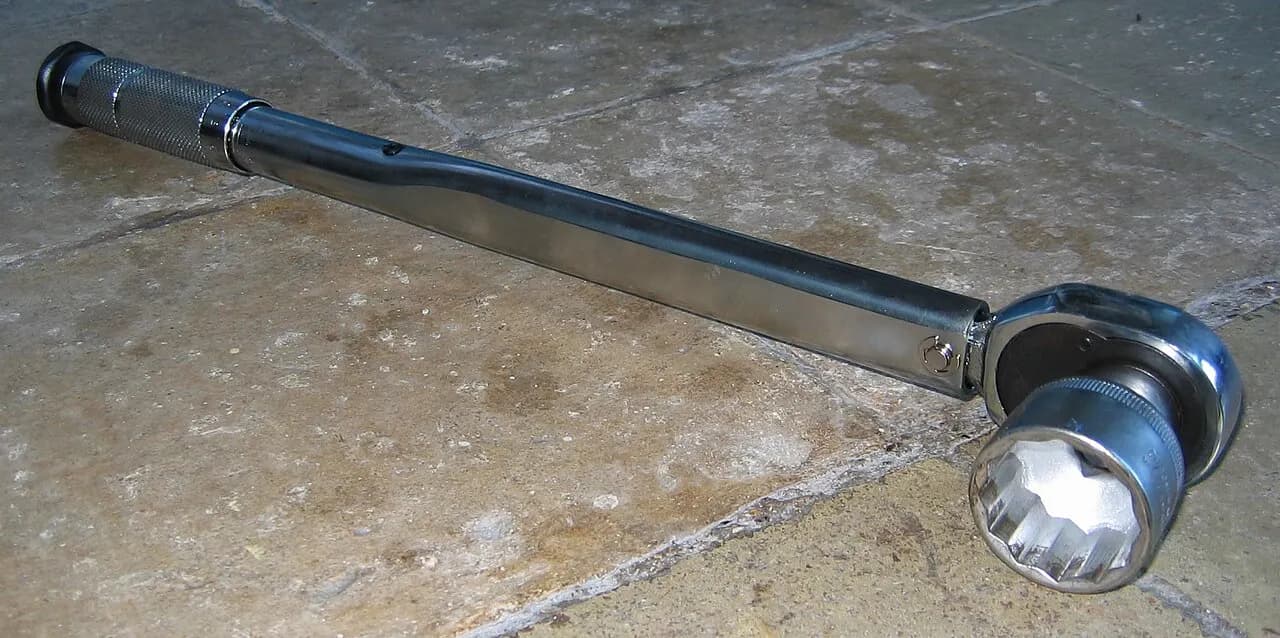
Torque checked, preload in range, witness marks aligned - then, days or months later, a bolt snaps on a machine that never overloaded. That is the standard script for hydrogen-induced delayed failure. Where the hydrogen enters (pickling and plating), why risk scales with property class, what a de-embrittlement bake actually does, why "let plated bolts rest before tightening" is real field wisdom but not an acceptance rule, plus four quick discriminators.
- 2026-10-21How Hot Can a Nylon-Insert Lock Nut Get? The Insert Decides, Not the Steel
Class 8, class 10 and A2-70 versions of the same DIN985 / ISO 10511 nut sit a whole property class apart in strength, yet carry almost identical temperature limits - because the constraint is the PA66 collar, not the steel. How prevailing torque decays on the hot side, what changes in the cold, how thermal cycling spends the reuse budget, and what to switch to past the ceiling.
- 2026-10-19Fully Threaded vs Partially Threaded Bolts: Thread Length b in DIN 933 and DIN 931
The same M12x60 ordered to DIN 933 or DIN 931 is two different bolts. This article sets out the three-band rule for thread length b in DIN 931 (2d+6, 2d+12, 2d+25) with the value for each size, shows how to check thread engagement against nut height m and pitch P, and explains where a plain shank earns its place and when full thread is the only option.
- 2026-10-18Metric and Imperial Bolt Substitution Chart: Where Sizes Line Up and Where They Never Will
Sourcing against a US drawing usually starts with bad shortcuts: M10 treated as 3/8 in, Grade 5 treated as class 8.8. This article gives the diameter and pitch deviations computed from the standards across the M3-M20 range (up to 0.95 mm on diameter, 0.04-0.31 mm on pitch), settles whether the thread angle is the issue at all (metric and UN are both 60 degrees; 55 degrees belongs to Whitworth BSW/BSF), and explains why strength classes and assembly torque cannot be copied across systems.
- 2026-10-24Hydrogen Embrittlement: Why Electroplated High-Strength Bolts Must Not Be Tightened Straight Away


ABOUT USOur Capability
MORE30 Years Making Nothing but Bolts and Nuts
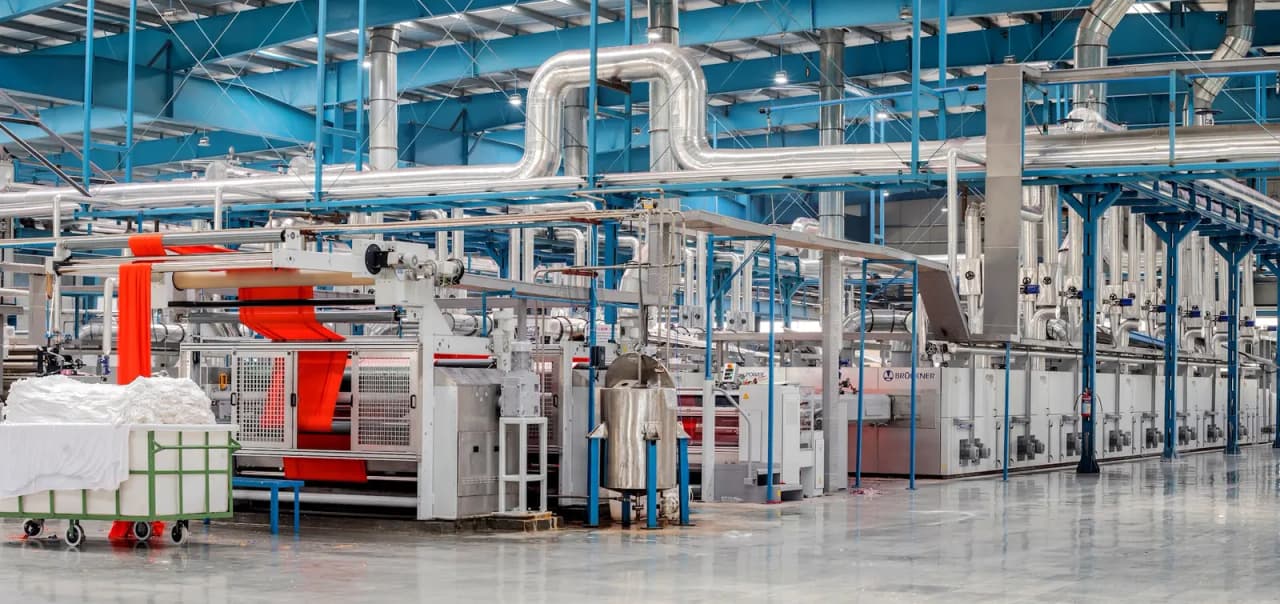
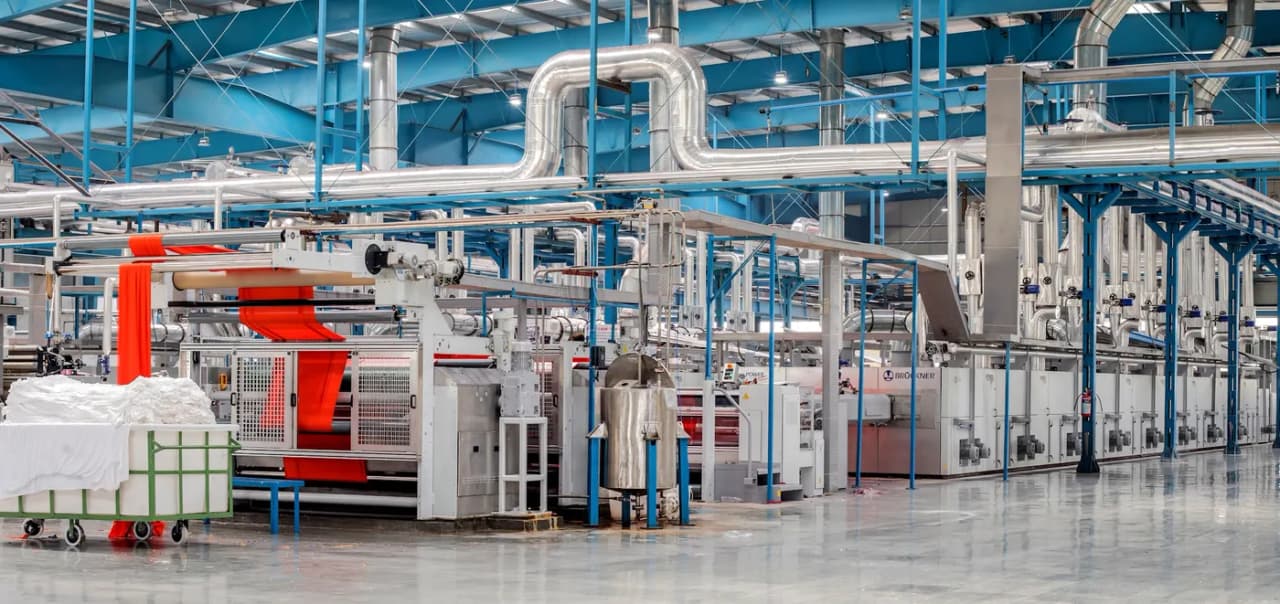
Four in-house production lines — cold heading, thread rolling, mesh-belt heat treatment and surface finishing — give us 2,000 tonnes a month. ISO 9001 certified, with dimension, hardness, tensile and salt-spray testing before every shipment leaves the works.
- 1996
Founded
- 40+
Export Countries
- 2,000t
Monthly Capacity
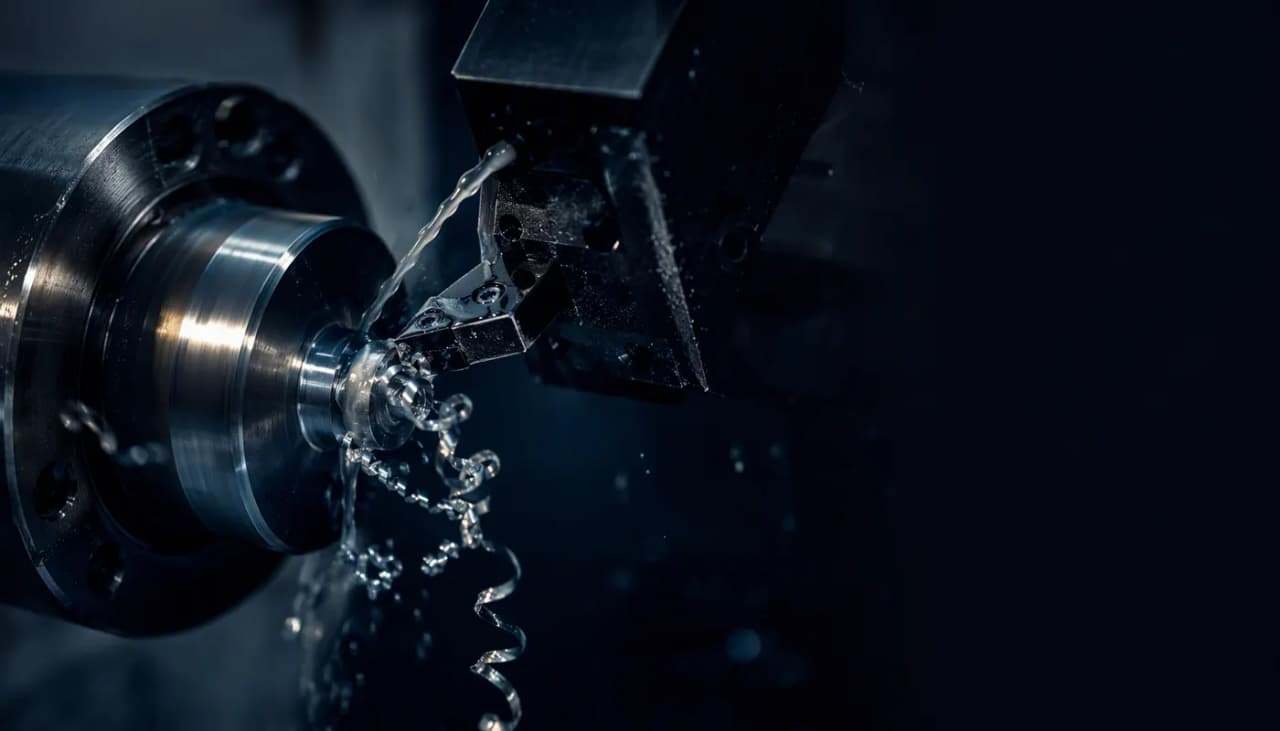
CAPABILITYFour In-house Lines
120+Employees
Cold Heading
Multi-station heading of head and blank
Materials Lab
Tensile, hardness, metallography and spectro analysis
Full-Flow QC
Dimension, class and thread re-checked every lot
Non-Standard
Custom parts developed from drawing or sample
TESTINGIn-house Testing
Recorded per lot under ISO 9001
Tensile & Proof Load
Held at proof stress without fracture
Hardness & Structure
Rockwell/Vickers checked per furnace load
Salt Spray
Coating logged to first red rust
Thread Gauging
Pitch diameter and pitch to 6g / 6H
Custom Service
Custom-Made to Drawings or Samples
Share dimensions, tolerances, medium, temperature, pressure and speed — we help recommend the right material grade and machining solution.

Ready to Sort Out Your Fastener Specification?
Contact our engineering team for torque data, non-standard production or a competitive quote. We reply within 24 hours.