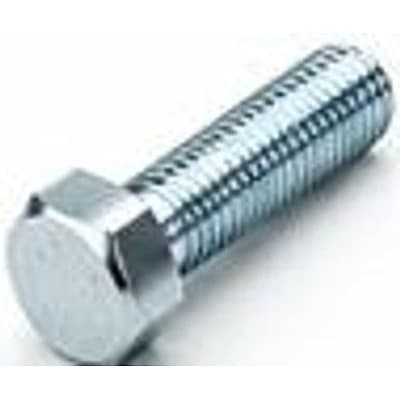
Zinc Plating
- Thickness
- 5 – 15 μm by coating class
- Cost
- Low
- Corrosion
- Appearance
- Conductivity
Key Features
- Bright metallic look at the lowest cost and shortest lead time
- Thin layer barely affects thread fit, so go/no-go gauging stays easy
- Conductive, so it suits grounding and electrical joints
Typical Applications
- Indoor machinery and automation equipment
- Appliances, shelving and general hardware
- Sheltered or short-term outdoor assemblies
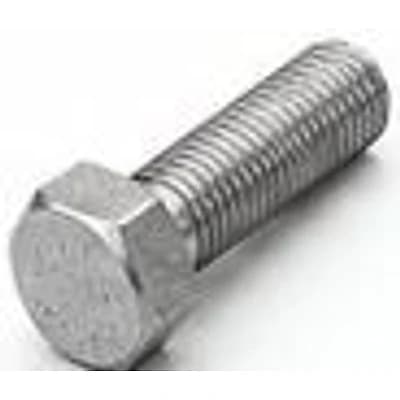
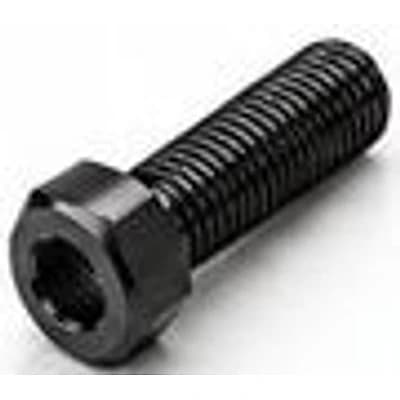
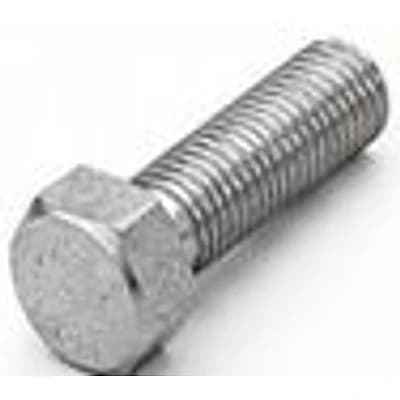
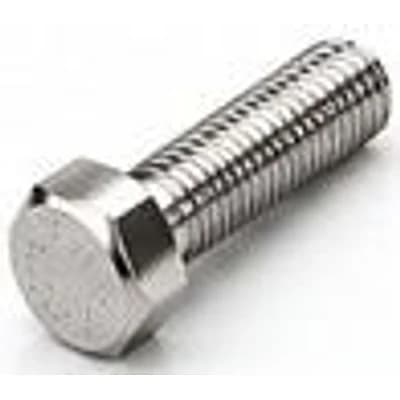
Zinc plating is the highest-volume and cheapest finish. Parts go in as the cathode in a zinc-salt electrolyte and zinc deposits atom by atom, with thickness set by current density and time — commonly 5 to 15 μm. Zinc is less noble than iron, so where the coating is scratched the zinc corrodes first and protects the steel; that is sacrificial protection. The same mechanism is its limit: the zinc is consumed, and with thin deposits or prolonged damp and saline exposure the white-rust-to-red-rust cycle shortens sharply. Hydrogen embrittlement also has to be named — pickling and plating drive hydrogen into high-strength steel, so parts of class 10.9 and above, or cold-worked parts, must be baked after plating or they can fail in service days later. Blue-white, yellow and black variants are available; where salt spray matters, specify the coating class rather than just 'zinc plated'.
Class 10.9 and above must be baked, usually within four hours of plating. Coating damage shows white rust first; do not rely on it alone outdoors.